$1 minimum deposit casino australia in 2026: why the offer only exists offshore
 Available in US
A player who sets out looking for a $1 minimum-deposit online casino in Australia is, in practice, looking for a thing that no Australian regulator can lawfully sell them. The Interactive Gambling Act 2001 has prohibited the supply of online casino games and online pokies to anyone in Australia since 2017; no state or territory issues a licence for them. Every site quoting a $1 floor is therefore an offshore operator of the kind the ACMA has spent the last several years blocking, warning and counting against. The dollar amount, on its own, is not the story. This page sets out what that offer actually is, what the Australian banking layer around it can and cannot do, and what the regulator’s own record of action looks like. Data current as of 24 September 2026; checked against the ACMA’s published formal-warning register and the Australian Communications and Media Authority’s enforcement reporting.
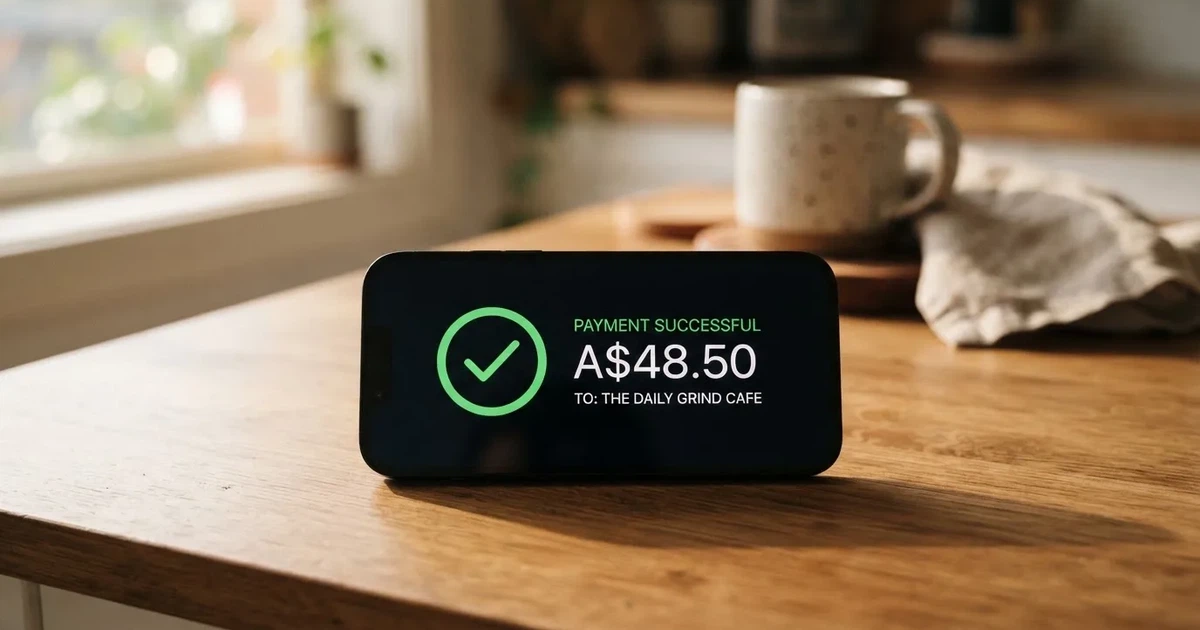
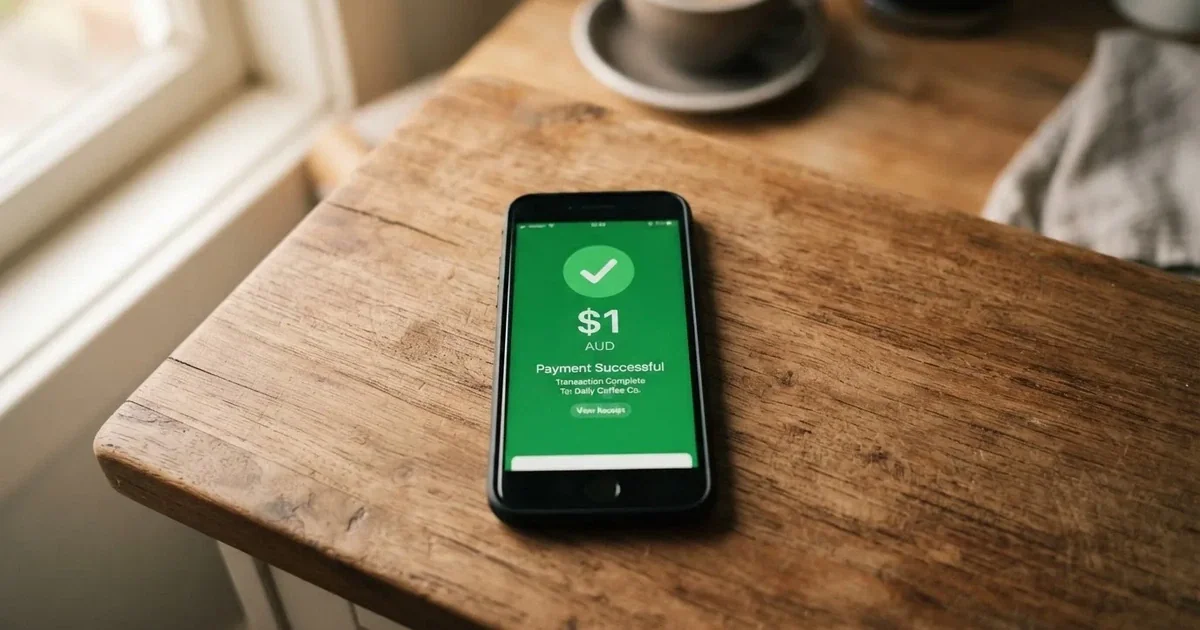
How a $1 deposit would have to move through Australian banking
Any $1 minimum-deposit casino in Australia that wants the money to arrive has to use a payment rail an Australian consumer can actually operate. Three of them dominate the conversation, and each behaves differently when the transaction at the other end is a gambling one.
In July 2025 the ACMA issued formal warnings over Ignition Casino, National Casino and Bizzo Casino, the last of which had already been warned in 2022.
Osko and PayID — the instant-transfer layer
Osko is the instant settlement service that runs on top of Australia’s New Payments Platform. Publicly accessible since 13 February 2018, it sits inside the online banking of more than 100 Australian financial institutions and is operated by Australian Payments Plus (AP+), a non-profit whose thirteen shareholders include the Reserve Bank of Australia and the major banks. The platform’s own rules require participants to keep monthly outages to no more than two minutes, and more than 25 million PayID identifiers had been registered against it by April 2025. A bank-to-bank transfer sent through Osko, addressed either to a BSB and account number or to a PayID, is meant to arrive in under a minute, 24/7, weekends included. That speed is the headline, but the headline is also the trap: paying to a PayID shows the recipient’s name on screen before the transfer is sent, and AP+ itself warns that being asked to transfer money to a PayID on an illegal gambling site almost certainly means a scam site. A $1 minimum-deposit offer that names a PayID as the deposit route is asking an Australian to do the one thing AP+ says not to.
In February 2025 the ACMA issued a formal warning over Instant Casino.
BPAY — the bill-payment rail
BPAY is the older rail: launched on 18 November 1997, available in the online banking of over 140 Australian banks and financial institutions, and used by more than 95,000 businesses. It works as a bill-payment service inside online banking — the payer enters a Biller Code and the Customer Reference Number (CRN) printed on a bill, and the funds move through a separate clearing arrangement run by AP+, the same operator as Osko. The structure makes it a poor fit for an offshore casino: BPAY exists to pay Australian billers, not to fund balances on sites the ACMA has moved against, and a PayID- or BPAY-routed deposit at an illegal site is, in practical terms, a payment to an entity whose presence on the screen is what triggered AP+’s warning in the first place. The rails themselves are not the problem; the destinations they point at are.
Cards, wallets and the credit-card ban
Licensed Australian online wagering has been banned from accepting credit cards and credit-related products since 11 June 2024, with penalties up to A$247,500 for operators that breach the rule. That ban also constrains the gambling use of linked digital wallets: when a card sitting behind Apple Pay or Google Pay is a credit product, the same prohibition applies. The Reserve Bank of Australia’s July 2025 review proposes removing surcharges on eftpos, Mastercard and Visa card transactions and explicitly leaves American Express outside the proposed scope. Apple Pay, Google Pay and Samsung Pay collectively accounted for around 45% of all card payments in Australia by number at the end of 2025, so the wallet layer matters: a transaction that looks like a debit-card wallet tap on the consumer side can, on the issuer side, be a credit-card-funded payment the operator is not allowed to take. A $1 minimum-deposit casino advertising Apple Pay or Google Pay as a deposit route is offering, in plain language, a method that may not be legal for the product it sells.
Bank-side gambling blocks
Australian banks have started installing blocks of their own. ANZ’s gambling transaction block, activated in the ANZ app, also blocks gambling transactions made through a digital wallet such as Apple Pay on an eligible card, not just the physical card. Once turned on, ANZ’s block can only be removed after a 48-hour waiting period, and the bank itself warns that not all gambling transactions will be blocked and some non-gambling transactions might be blocked in error. Westpac’s block works at the card level and refuses authorisation of transactions registered under the merchant category code for betting and casino gambling on eligible personal credit and debit cards. Commonwealth Bank offers a comparable lock through the CommBank app. A $1 deposit attempt that hits any of these merchant category filters is the kind of transaction the issuing bank has been told to decline, and a $1 floor offers no protection against that — the bank does not see the dollar amount, it sees the merchant category.
The AUSTRAC threshold does not apply
AUSTRAC’s threshold-transaction-report rule, which requires reporting of transfers of A$10,000 or more, applies only to physical cash. Ordinary electronic bank transfers are not subject to that per-transaction reporting requirement, regardless of the amount sent. A $1 minimum deposit has, on its own, no reporting consequence either way. It is too small to trigger anything on the sending side, and the rail it travels on has no obligation to flag it. The threshold applies at the bank-teller window, not on a phone screen.
A tidy desk with a laptop open on a plain search-results page, a notebook and a coffee cup beside it, no screens showing any casino branding.
What “licensed” means in the Australian market
What is and is not licensable
Australia’s wagering framework, in 2026, allows licences for wagering on races and sport placed before the event, lotteries and keno. In practice, the Northern Territory Racing and Wagering Commission (NTRWC) regulates 52 of Australia’s online bookmakers — Sportsbet, Bet365 and Ladbrokes included — which are licensed in the Territory for tax reasons. The commission has no full-time staff and meets once a month in Darwin, a fact that says something about the de facto shape of regulation in this market. Online casino games and online pokies are not on the licensable list. Minimum age for any licensed gambling activity is 18.
A red triangular warning sign icon on a laptop screen next to a stack of legal papers, symbolising an official caution rather than any specific website.
What the Interactive Gambling Act 2001 actually does
The Interactive Gambling Act 2001, strengthened by the Interactive Gambling Amendment Act 2017, makes it an offence to provide online casino games, online pokies or in-play betting to a person in Australia. The target is the provider, not the individual player — Australian authorities do not prosecute customers of offshore sites — but the practical consequences for a customer sit on the consumer-protection side: an offshore site gives no Australian complaints body, no recourse if a withdrawal is refused, and the ACMA can direct internet service providers to block the site with any balance still on it. The Interactive Gambling Amendment (Gambling Reform) Bill 2026 passed Parliament on 19 August 2026; its advertising and inducement measures commence on 1 January 2027, which means the law is on the books but not yet in force for a 2026 reader. A $1 minimum-deposit casino advertising inducements in 2026 is operating against a backdrop the new bill will tighten from the start of next year.
What enforcement looks like in numbers
According to the ACMA as reported in June 2026, a total of 1,751 illegal gambling and affiliate marketing websites had been blocked since the first blocking request in November 2019, and more than 230 unlicensed gambling services had left the Australian market since enforcement was strengthened in 2017. A single round reported on 26 June 2026 asked Australian internet service providers to block 12 more: 7Signs, ChromaBet, Donbet, Duospin, Freshbet, Slots Gem, Jacks Club, Lucky Start, Pointsbetz, Spinrise, Vinyl Casino and Wildsino. H2 Gambling Capital’s 2025 report estimates Australians lose about A$3.9 billion a year to illegal gambling sites, and that the share of gambling going through legal channels fell from 74% in 2021 to 64%. The blocking-rate arithmetic on that record, run as a band with its condition: 1,751 blocks over roughly 79 months from the first request in November 2019 to June 2026 works out to roughly 22 blocks a month on average, but the rate is far from even — the June 2026 round alone was 12, which is more than half the long-run monthly average delivered in one action. Read it as a band: between about 22 and 30 blocks a month across the full enforcement window, with monthly counts varying widely above and below that line. The takeaway is that blocking is the ACMA’s standing response, not a one-off; a $1 minimum-deposit site named today is, on the historical pattern, the kind of site the regulator blocks next.
The ACMA’s own list — what it has warned about
The table below lists brands the ACMA has itself acted against. This is not a ranking and not a recommendation; each row is a brand the regulator has formally warned for offering prohibited services to Australians, and the only purpose of the list is to show the shape of the regulator’s record. “Subject support” reflects what third-party listings report about that brand’s deposit methods or payment coverage, not any claim the brand itself makes.
| Brand | ACMA action and date | Operator named by the ACMA | Subject support |
|---|---|---|---|
| RocketPlay | Formal warning, March 2026 | Pulsup Ltd (Rocketplay) | Listings report PayID and similar instant-transfer rails |
| Level Up Casino | Formal warning, May 2022 | Dama N.V. | Listings report major-card support |
| Woo Casino | Formal warning, March 2025 | Dama N.V. | No listings data |
| Spirit Casino | Formal warning, May 2025 | Dama N.V. | No listings data |
| National Casino | Formal warning, July 2025 | Consolutetish S.R.L. | Listings report PayID, AUSTRAC and BetStop references |
| Bizzo Casino | Formal warning, July 2025 (also 2022) | Consolutetish S.R.L. (also TechSolutions, 2022) | Listings report PayID and similar instant-transfer rails |
| Ignition Casino | Formal warning, July 2025 | Bamboo Media | No listings data |
| Instant Casino | Formal warning, February 2025 | EOD Code SRL | Listings report PayID and similar instant-transfer rails |
| Jackbit | Formal warning, April 2026 | Ryker B.V. | No listings data |
| Casino Intense | Formal warning, April 2025 | Sterplay Holding Ltd | Listings report AUSTRAC, BetStop and major-card references |
| Sky Crown | Formal warning, September 2022 | Hollycorn N.V. | No listings data |
The dates are the ACMA’s own publication dates. The pattern is that the same operator-entities turn up under multiple brand names — Dama N.V. alone is named across four of the rows above — and the warnings keep coming against new corporate vehicles for what looks, from the consumer side, like substantially the same offer. A reader who sees a new brand name on a $1 minimum-deposit banner in 2026 is seeing, on the ACMA’s record, a label the regulator has warned against in this market before, under a different wrapper.

What a $1 minimum-deposit casino in Australia actually is
The floor is marketing, not a tier
A $1 minimum deposit is a marketing claim, not a regulated tier. There is no Australian rule that says an online casino must accept $1, no Australian rule that says it must accept more, and no Australian licence for the product on offer. The dollar figure is chosen because it is a low number — low enough that a player will click through to see what is on the other side — and because the marketing pages that name it tend to be the same pages that name the brand as “licensed” in some offshore jurisdiction. The licence the brand displays is real on the document, and irrelevant under the Interactive Gambling Act 2001, because the Act targets the act of supplying prohibited services to a person in Australia, regardless of where the supplier is incorporated. A Curaçao or Kahnawake licence displayed on the page does not move the operator into compliance.
The credit-card and crypto ban shapes the deposit menu
Since 11 June 2024, licensed Australian online wagering has not been allowed to accept credit cards or credit-related products, and digital currency is treated in the same category for the purposes of the ban. A $1 minimum-deposit offer that asks an Australian for a credit card or a crypto deposit is, by the structure of the offer itself, operating outside the Australian rules. The deposit methods that remain legal for licensed wagering — debit card, bank transfer, PayID/Osko and BPAY — are not, on the operator side, what most offshore $1 minimum-deposit banners advertise. The presence of a credit-card or crypto deposit option on the page is itself a signal that the operator is not part of the licensed Australian system.
No Australian consumer protection applies
A balance at an offshore casino has no Australian complaints body behind it. There is no local small-claims path, no local regulator to escalate a refused withdrawal to, and no obligation on the operator to keep player funds segregated in any Australian jurisdiction. The site can be blocked by the ACMA with a balance still on it; the player is not reimbursed. A $1 deposit, on its own, is small enough to write off; the offer is built around the assumption that the player will deposit again, and again, and again, and that the balance that matters is the cumulative one, not the first dollar.
Where this leaves a 2026 reader
The legal, land-based alternative
A reader in Australia who wants to play real-money pokies for small stakes has a legal, in-person option that exists nowhere online. Licensed pubs, clubs and casinos in every state and territory operate poker machines under state-level regulation, and the entry stake is typically a few cents per spin. The machines are regulated, the venues are regulated, and the consumer protections are Australian. This is the only $1 minimum-deposit casino experience Australian law actually permits in 2026, and it does not involve an offshore website.
Help if gambling stops being a choice
If thinking about $1 minimum-deposit play ever starts to feel compulsive or stressful, free confidential help is available around the clock through Gambling Help Online and the National Gambling Helpline on 1800 858 858. BetStop, the National Self-Exclusion Register, has been live since August 2023 and binds every Australian-licensed online and phone wagering service — but it does not bind an offshore casino, which is not connected to the register. BetStop is the right tool for a player who wants to step away from Australian-licensed wagering; it is not a switch that turns off an offshore site. Self-exclusion at an offshore site, if it is offered at all, is on the operator’s own terms and is not enforced by any Australian authority.
The arithmetic the marketing page will not do
The arithmetic the marketing page does not run is straightforward. A $1 deposit at an offshore casino is, in practice, a $1 deposit at an entity the ACMA has acted against in this market before; the dollar amount does not change that. If the player deposits again — and again, and again — the cumulative balance is what the consumer-protection question is about, and on the ACMA’s record, the answer to that question is that no Australian consumer protection applies. A reader who wants the $1 floor and the legal framework has the licensed pub, club or casino. A reader who wants the offshore $1 floor has, on the regulator’s own count, somewhere between about 22 and 30 sites blocked every month since November 2019, and a warning list that names the same operator-entities under new brand names year after year.
Frequently asked questions
Can I actually deposit $1 at a licensed Australian online casino?
No. Online casino games and online pokies cannot be licensed anywhere in Australia under the Interactive Gambling Act 2001. A site quoting a $1 minimum is an offshore operator; the licence it displays does not change that. The legal alternative is real-money poker machines in licensed pubs, clubs and casinos, regulated at state level.

Why do so many sites advertise a $1 minimum deposit for Australian players?
Because a low number gets a click, and the offer sits behind it. The marketing pages that name the $1 floor are typically the same pages that display an offshore licence, list credit-card or crypto deposit methods, and operate outside the credit-card ban that has applied to Australian-licensed wagering since 11 June 2024. The dollar amount is the lure, not the product.
How would a $1 bank transfer normally clear if it were sent through Osko?
An Osko transfer between participating Australian banks is meant to arrive in under a minute, 24/7 including weekends, addressed either to a BSB and account number or to a PayID. That speed is the point of the rail, and AP+ warns that being asked to send an Osko payment to a PayID on an illegal gambling site almost certainly means a scam site.
Is a $1 deposit at an offshore casino covered by any Australian consumer protection?
No. The Interactive Gambling Act 2001 targets the provider, not the player, and there is no Australian complaints body, no local regulator to escalate a refused withdrawal to, and no obligation on the operator to segregate player funds in any Australian jurisdiction. The ACMA can also block the site with a balance still on it.
What is the legal, land-based alternative to a $1 deposit online casino in Australia?
Licensed pubs, clubs and casinos in every state and territory operate poker machines under state-level regulation, and the entry stake is typically a few cents per spin. That is the only $1-stake real-money casino experience Australian law actually permits; it is in-person, not online.
Does the Interactive Gambling Act 2001 ban online casino games for people in Australia?
The Act prohibits the supply of online casino games and online pokies to a person in Australia, which no state or territory can license. The individual player is not prosecuted; the operator is. The Act was strengthened by the Interactive Gambling Amendment Act 2017, and the 2026 reform bill tightens advertising and inducement rules from 1 January 2027.
Written by the editors at Casino Offshore Hub.